
From Awareness to Action
In The Hidden Cost of Seed Oils, we looked at how industrial seed oils can quietly fuel inflammation—arriving heavily processed, high in omega-6, and prone to oxidation once they’re in the body. That’s the “why it matters” piece. This is the “what to actually do about it” piece.
The encouraging news: the body is remarkably capable of rebuilding itself when it’s given the right materials and enough time. The less encouraging—but important—news is that this isn’t an overnight reset. Those fragile, oxidized fats don’t just pass through; some are stored in fatty tissue and cell membranes, and research suggests it can take roughly up to two years of consistent, cleaner eating for the body to meaningfully turn over and replace them. That number can feel discouraging at first glance, but it’s actually freeing once you sit with it: there’s no need to chase a perfect detox week or a dramatic cleanse. Small, steady choices made consistently are what get the job done.
Why This Takes Time
Cell membranes are rebuilt gradually, not all at once. Every cell in your body is part of an ongoing replacement cycle, and the fats available in your bloodstream at the time of rebuilding are the fats that get incorporated into new tissue.
Storage, Not Just Passage
Polyunsaturated fats from seed oils can accumulate in fat tissue and cell membranes over years of regular consumption, not just pass through in a day.
Gradual Cellular Turnover
Cell membranes are rebuilt over months, and whole-body turnover of stored fats appears to unfold over a longer arc—commonly cited as up to two years of sustained change.
Consistency Over Intensity
There’s no shortcut that compresses this timeline safely. What matters most is showing up for cleaner choices meal after meal, not chasing a fast fix.
Practical Swaps That Add Up
You don’t need to overhaul your kitchen overnight. Start with the fats you reach for most often, and let the rest follow naturally:
Cook With Stable Fats
Reach for coconut oil, ghee, or grass-fed butter for anything that hits real heat—they hold up far better than fragile seed oils.
Finish With Olive Oil
Save extra-virgin olive oil for drizzling, dressings, and low-heat dishes where its antioxidants stay intact.
Read Before You Buy
Check labels on dressings, sauces, and snacks—swapping even a few packaged staples for seed-oil-free versions makes a real dent.
Cook at Home More Often
Restaurant and fast food are the biggest hidden sources—home cooking puts you back in control of what’s in the pan.
Giving Your Body What It Needs to Rebuild
Beyond simply avoiding seed oils, you can actively support the body’s repair process by supplying the raw materials it needs to build healthier cells and calm inflammation:
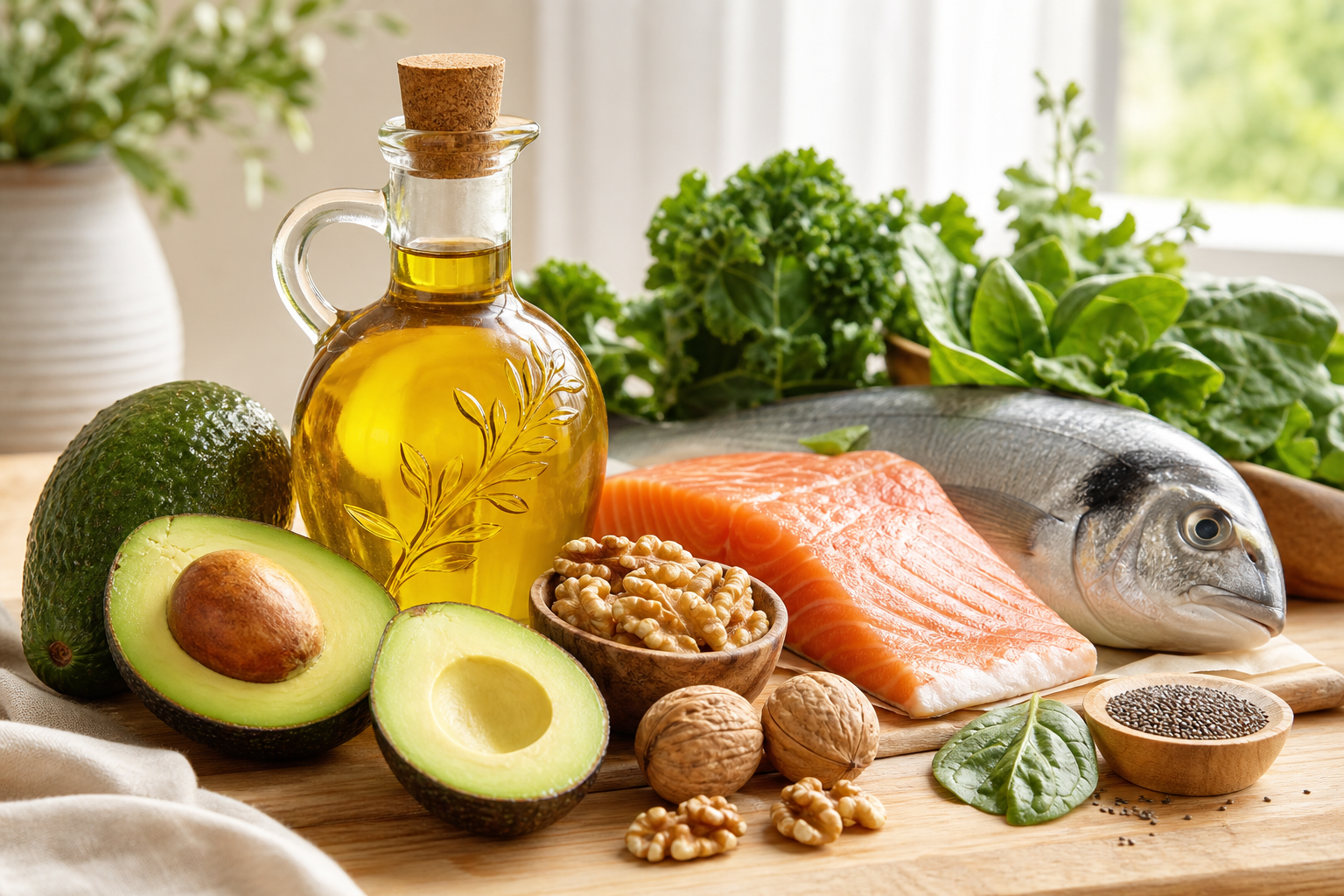
- Prioritize omega-3s. Wild-caught fish, walnuts, flax, and chia help rebalance the omega-6-to-omega-3 ratio that seed oils tend to skew.
- Lean on antioxidant-rich foods. Colorful vegetables, berries, and herbs like turmeric and rosemary help the body manage oxidative stress along the way.
- Support your body’s natural detoxification. Adequate hydration, fiber-rich whole foods, movement, and restorative sleep all help the body carry out its ordinary housekeeping.
- Don’t skip healthy fats altogether. The goal isn’t to fear fat—it’s to choose fats your body recognizes and knows how to use well.
- Reduce, don’t panic. A single meal with seed oils won’t undo your progress. What matters is the pattern over weeks and months.
Patience as Part of the Practice
Two years can sound like a long runway, especially in a culture that wants results by next week. But most of us have been consuming these oils for decades—so a couple of years of steady, intentional eating is a small and entirely reasonable investment in return. Each cleaner meal is one more small deposit toward cell membranes, tissues, and a body chemistry that runs the way it was designed to.
Progress here rarely feels dramatic day to day. It shows up gradually—in energy, in how your body responds to inflammation, in the quiet sense that something is working in the background. Trust that consistency, not intensity, is what gets you there.
This article is for educational purposes and is not intended as medical advice. Always consult a qualified practitioner about your individual health needs.